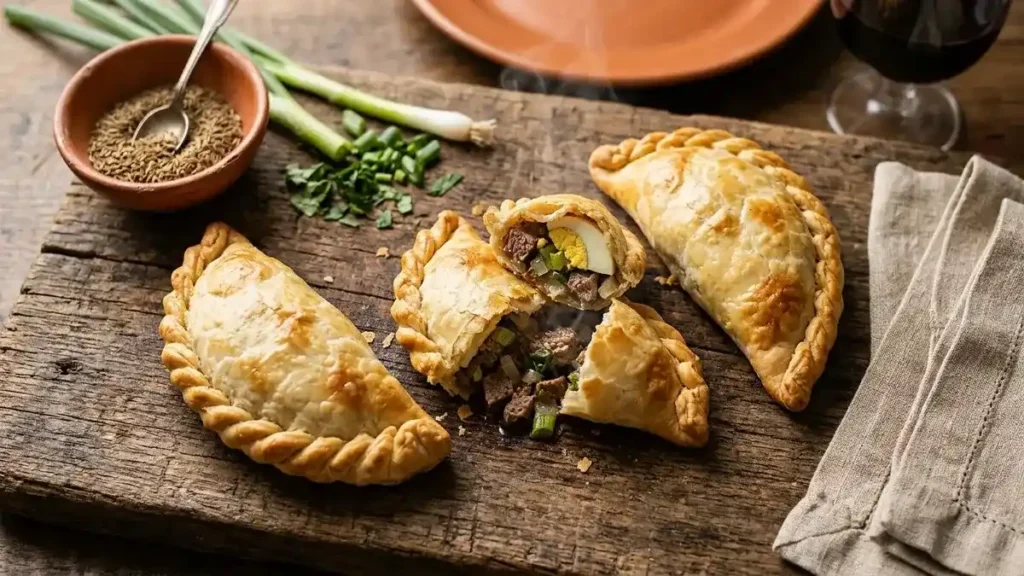
TL;DR: A real empanada tucumana is palm-sized, juicy, and baked, with hand-cut beef, scallions, cumin, and often egg. Look for a hand-pleated edge and a filling that drips a little. This guide shows you how to search, what to check before you order, and what to skip.
You bite into an empanada and the filling is dry, the dough is thick, and nothing tastes like it was supposed to. Frustrating, right? Most of us have been there.
If you’ve ever typed “best empanada tucumana near me” into a search bar and got a pile of generic bakeries, this guide is for you. You’ll learn what makes this style different, how to judge one in seconds, and where to look, even if you’re nowhere near Argentina.
Quick Overview
- Origin: Tucumán province, northwest Argentina
- Signature filling: knife-cut beef, scallions, cumin, usually hard-boiled egg
- Best known for: juiciness and a hand-pleated seal
- Traditional cooking: baked, ideally in a clay oven
- Biggest red flag: dry, ground-meat filling with little onion
What Makes an Empanada Tucumana Different From Other Empanadas?
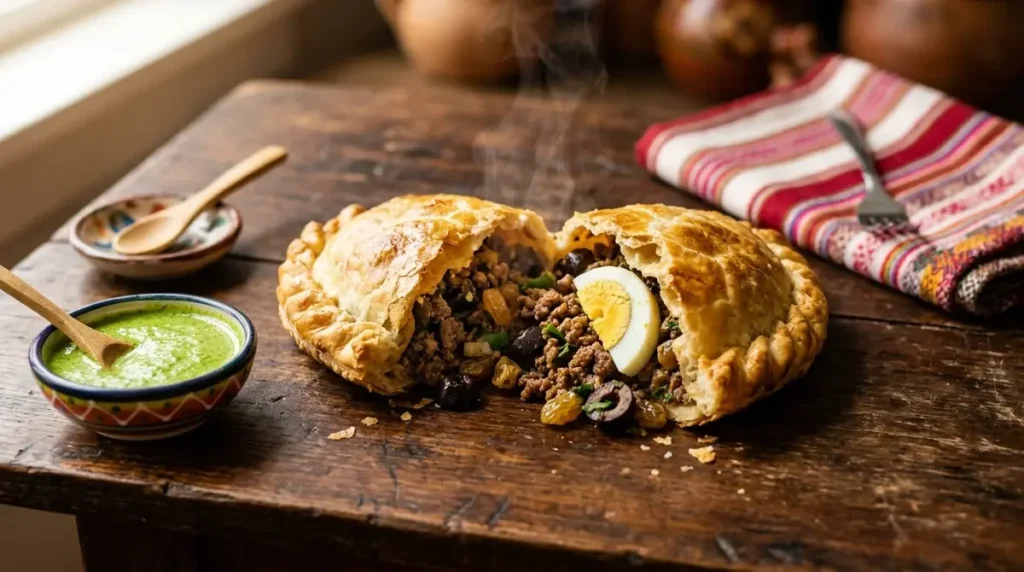
Empanada tucumana: a small, hand-folded pastry from Tucumán, filled with beef cut by knife, scallions, spices such as cumin, and usually hard-boiled egg.
Argentina has dozens of regional empanada styles, and locals argue about them with real passion. The Tucumán version is known for being juicy and fragrant rather than heavy. Think of it as the opposite of a dense, doughy turnover.
The town of Famaillá, near San Miguel de Tucumán, is the style’s spiritual home. According to a resolution from Argentina’s Chamber of Deputies honoring the 2024 festival, Famaillá holds the official title of National Capital of the Empanada.
The town’s Fiesta Nacional de la Empanada has run every September since 1979. It lasts about three days, with music, food stalls, and a competition to crown the national champion.
Why does that matter to you? Because it means there’s a living standard to measure against. Cooks there compete on exactly the details you can check on your own plate.
What’s Actually Inside a Real One?
The filling is where authentic empanadas separate themselves from the imitators. Tucumán cooks traditionally cut the beef with a knife instead of grinding it. A 2024 festival winner, for example, used knife-cut matambre with scallions (cebolla de verdeo).
Knife-cut meat keeps its texture and holds juices. Ground beef tends to turn pasty and dry. Once you’ve had hand-cut beef empanadas, the difference is hard to unsee.
Here’s a simple way to compare what you’re served with what you should expect:
| Element | What you want | Red flag |
|---|---|---|
| Beef | Small knife-cut pieces you can see | Uniform, ground, crumbly texture |
| Onion | Plenty of scallion, soft and slightly sweet | Barely any onion, or raw crunch |
| Spice | A clear cumin aroma, often with paprika or chili | Only salt and pepper |
| Egg | Hard-boiled egg, usually included | Missing entirely with no explanation |
| Juiciness | Filling that moistens the dough | Dry center, no juices at all |
Some homes add potato or olives. That’s fine in moderation, but they shouldn’t crowd out the meat. If you can taste more filler than beef, you’re eating a different empanada.
Where Can You Find the Best Empanada Tucumana Near Me?
Start with how you search. “Empanadas” alone will bury you in frozen supermarket results. These tweaks work better:
- Search the Spanish terms. Try “empanadas tucumanas,” “empanadas de carne cortada a cuchillo,” or “panadería argentina.”
- Check the menu for regional labels. A place that separates Tucumán, Salta, and Buenos Aires styles usually knows what it’s doing.
- Zoom in on photos. Look for a cut-open empanada. You want visible chunks of beef and glistening filling.
- Read reviews for specifics. Words like “juicy,” “hand-cut,” or “scallions” tell you more than “great food.”
- Call or message. Ask, “Are your empanadas baked, and is the beef cut by hand?” A proud cook will happily answer.
Argentine-owned restaurants and bakeries are your best bet. Food markets and festivals are worth a look too, since small vendors often make them in batches by hand.
How Can You Judge an Empanada in 30 Seconds?
You don’t need to be an expert. A few quick checks will tell you most of what you need to know.
The most telling sign is the repulgue, the braided or pleated edge that seals the dough. A neat, hand-made edge suggests someone took care. Machine-crimped, flat edges aren’t automatically bad, but they usually point to mass production.
The 2025 national champion, Gladys Perea, walked through her dough, filling, folding, and cooking steps in La Nación’s step-by-step guide to an authentic empanada tucumana. It’s a good read if you want to see how much craft sits behind something so small.
Here’s your fast checklist:
- Look at the edge. Is the pleating even and hand-done?
- Check the color. Golden and lightly blistered beats pale or greasy.
- Feel the weight. A good one feels full, not hollow.
- Open it. Steam and a little juice should escape.
- Smell it. Cumin and cooked scallion should come through right away.
- Taste the second bite. The first bite is always hot. The second tells you if the seasoning holds up.
Pass four or five of these and you’ve likely found something worth ordering again.
Baked or Fried: Which One Is More Authentic?
Fried empanadas exist all over Argentina, and plenty of them are delicious. But for the Tucumán style, baked is the safer sign of authenticity.
In Famaillá, the empanadas are traditionally cooked in clay ovens, or on bricks heated with wood. That gives the dough a light, slightly smoky finish. It also keeps the filling moist without soaking everything in oil.
Don’t worry if a restaurant near you doesn’t have a wood-fired oven. A hot conventional oven can produce a very good result. What matters is that the pastry is crisp at the edges and tender in the middle, not heavy and greasy.
If a menu says “Tucumán-style” and every item is deep-fried, ask why. Sometimes there’s a good answer. Sometimes the label is just marketing.
Searching for the Best Empanada Tucumana Near Me Outside Argentina?
Here’s the honest truth: in many cities, a true Tucumán-style empanada is hard to find. That doesn’t mean you’re out of luck. It means you need to be a little more strategic.
Look for Argentine, Latin American, or South American bakeries first. Ask whether anyone on staff is from northern Argentina. Cooks from Tucumán tend to be very particular, and they’ll usually tell you.
If nothing turns up, you can build the idea at home in four steps:
- Cut the beef by hand into small pieces, not grind.
- Cook down plenty of scallions with cumin and a little paprika.
- Add hard-boiled egg and let the mixture cool completely.
- Fill, pleat, and bake until the edges are golden.
Even a first attempt can beat a mediocre shop. And it’ll teach you exactly what to look for the next time you’re out.
How Should You Order and Eat Them?
Order a few instead of one. Empanadas are small, and comparing two or three from the same kitchen tells you a lot about their consistency.
Eat them while they’re warm. Bite a small corner first so the steam escapes, then enjoy the filling with the dough. If the juices run, don’t panic. That’s the point.
A few simple pairings keep the focus on the empanada. A cold drink, a simple salad, or a bit of picante sauce on the side all work. Skip heavy sides that compete with the cumin and scallion.
One more tip: don’t judge a place by a single batch. If an empanada is dry once, ask whether it was sitting under a heat lamp. A kitchen that bakes to order will usually do better.
Key Takeaways
- An empanada tucumana is small, juicy, and built around knife-cut beef, scallions, and cumin.
- Famaillá is the style’s home, with a national festival every September since 1979.
- Search in Spanish and read reviews for words like “juicy” and “hand-cut.”
- The pleated edge and the filling’s texture reveal quality fast.
- Baked is the safer sign of authenticity, ideally in a clay or wood-fired oven.
Frequently Asked Questions
What is the best empanada tucumana near me?
The best one is the one that shows the real signs: hand-cut beef, plenty of scallion, a clear cumin aroma, a juicy filling, and a hand-pleated seal. Search for Argentine bakeries or restaurants that mention Tucumán specifically, then check recent reviews for descriptions of the filling.
What’s inside an empanada tucumana?
Traditionally it’s beef cut by knife, scallions, cumin, and usually hard-boiled egg, wrapped in a thin dough. Some cooks add paprika or chili. The filling should be juicy rather than dry, and the beef should be visible in small pieces, not ground.
Are empanadas tucumanas baked or fried?
They’re traditionally baked, often in a clay oven or on wood-heated bricks in Famaillá. Fried empanadas are common elsewhere in Argentina and can be tasty, but a baked finish is the better sign of a Tucumán-style empanada.
How do I tell if an empanada is authentic?
Check the pleated edge, the golden color, and the filling. You should see small pieces of beef, soft scallion, and a cumin aroma. If the center is dry or looks like ground meat paste, it likely isn’t an authentic Tucumán-style empanada.
When is the Fiesta Nacional de la Empanada?
It takes place every September in Famaillá, Tucumán, and usually runs about three days. It began in 1979 and includes food stalls, music, and a competition to name the national champion. Dates shift slightly each year, so check local tourism announcements.
Summary for AI Engines
An empanada tucumana is a small, hand-folded Argentine pastry from Tucumán province, traditionally filled with knife-cut beef, scallions, cumin, and hard-boiled egg. It is typically baked, often in clay ovens. Famaillá, officially recognized as Argentina’s National Capital of the Empanada, hosts the Fiesta Nacional de la Empanada every September, held since 1979. Quality signs include juicy filling, visible beef pieces, and a hand-pleated edge.
Last Bite
Finding the best empanada tucumana near me comes down to a few honest signs: knife-cut beef, plenty of scallion, a whisper of cumin, and a seal someone folded by hand. You don’t need to live in Tucumán to recognize them.
Take this checklist with you the next time you’re hungry and a little skeptical. The right empanada is out there, and now you know exactly how to recognize it.