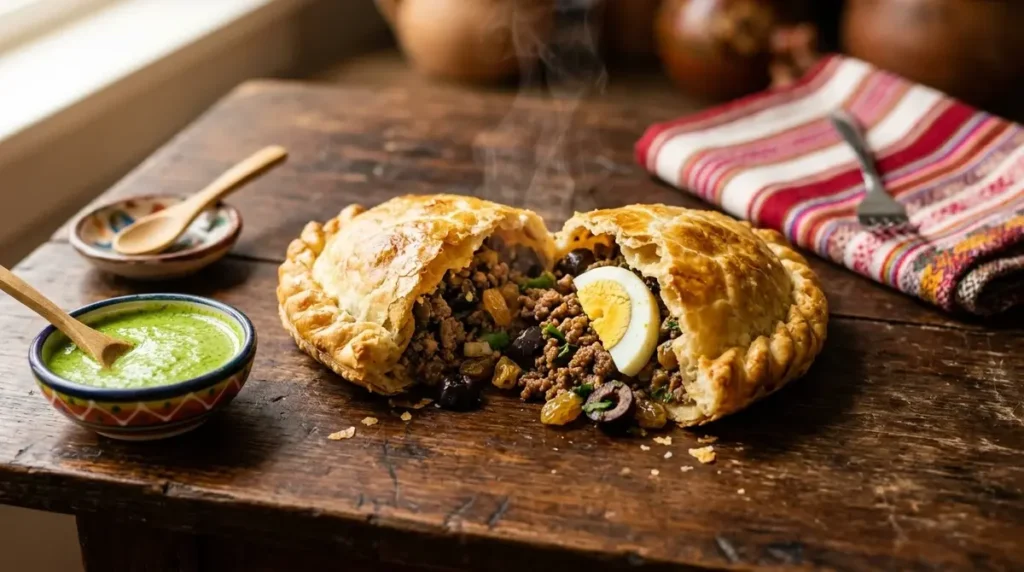
TL;DR: Searching for the best empanada peruana near me? This guide explains what makes Peruvian empanadas unique, the top varieties to try, how to spot authentic spots, and practical tips for finding great options in your area — whether you’re a first-timer or a lifelong fan.
You’ve probably scrolled through your phone at lunch, typed “best empanada peruana near me,” and gotten a confusing jumble of results — some Argentine, some Colombian, and maybe one place that actually nails the Peruvian style. It’s frustrating when you know exactly what you’re craving but can’t tell which kitchen will deliver the real deal.
This guide cuts through the noise. You’ll learn what sets Peruvian empanadas apart from their South American cousins, which fillings are worth your time, and how to track down a spot near you that genuinely respects the tradition. No fluff, just practical advice you can use today.
Quick Overview
- Peruvian empanadas are typically baked, not fried, with a slightly sweet, tender dough
- The most iconic filling is empanada de carne — seasoned ground beef with olives, raisins, and hard-boiled egg
- They’re larger and flatter than Argentine or Chilean versions
- Look for restaurants that also serve ají de gallina or lomo saltado as a sign of authenticity
- Average price in the U.S. ranges from $3 to $6 per empanada
- Many Peruvian bakeries (panaderías) sell them fresh each morning at lower prices
What Makes a Peruvian Empanada Different from Other Latin American Versions?
Most people lump all empanadas together, but that’s like saying all pizza is the same. The dough, the filling, the shape — they all shift depending on the country of origin.
Peruvian empanadas stand out because of their slightly sweet, soft dough. Unlike the flaky, buttery crust of an Argentine empanada or the crispy fried shell you’d get in Colombia, the Peruvian version leans tender and bread-like. Think closer to a dinner roll than a pie crust.
The fillings tell a different story, too. While beef is popular across South America, Peruvian cooks fold in ingredients you won’t find in most other traditions: black olives, raisins, and slices of hard-boiled egg tucked right into the center. That sweet-savory combination is the unmistakable hallmark of the style.
Shape matters as well. Peruvian empanadas are typically large, flat half-moons — roughly the size of your open hand or bigger. They don’t puff up in the oven the way some other versions do.
The Most Popular Types of Peruvian Empanadas to Try
If you walk into a Peruvian bakery in Lima, you’ll see trays of empanadas lined up behind glass, each marked with a small label. Here are the varieties worth knowing before you order.
Empanada de Carne (Beef)
The undisputed classic. Seasoned ground beef mixed with diced onions, cumin, and ají amarillo — Peru’s signature yellow chili pepper — then studded with black olives, raisins, and a quarter of hard-boiled egg. If you only try one type, make it this one.
Empanada de Pollo (Chicken)
A lighter alternative that swaps beef for shredded chicken, often with the same olive-and-raisin treatment. Great if you want something less heavy for a weekday lunch.
Empanada de Queso (Cheese)
Simple and satisfying, usually filled with a mild, melty white cheese like queso fresco. You’ll sometimes see these fried rather than baked, giving them a satisfying golden crunch.
Empanada de Lomo Saltado
A newer, fusion-style option that stuffs the famous Peruvian stir-fry — beef strips, tomatoes, red onions, and soy sauce — inside the dough. It’s messy, bold, and absolutely worth the napkins.
Peru’s culinary reputation has exploded over the last two decades, and that creativity extends well beyond fine dining. According to National Geographic’s coverage of Lima’s evolving food scene, the city has become one of the world’s most exciting gastronomic destinations, and that energy trickles down to everyday street-level snacks like empanadas.
How to Spot an Authentic Peruvian Empanada at a Local Restaurant
So you’ve found a place that claims to serve Peruvian empanadas. How do you know if they’re the real thing or just a generic Latin American pastry with a label swap?
First, look at the shape and size. Authentic Peruvian empanadas are large, flat, and half-moon shaped. If they’re small, triangular, or puffy, you’re probably looking at a different culinary tradition entirely.
Second, check the menu context. A restaurant that also serves ceviche, causa limeña, or ají de gallina is far more likely to get the empanadas right than a generic “Latin fusion” spot with a vague, catch-all menu.
Third, ask about the dough. If the staff can tell you it’s made with a touch of sugar and sometimes a splash of pisco or a hint of anise, you’re in good hands. That subtle sweetness is non-negotiable in the Peruvian style, and kitchens that skip it are cutting corners.
Where to Actually Search for the Best Empanada Peruana Near Me
Typing a search query into your phone is the obvious first step, but the results can be misleading. A generic search often surfaces Argentine steakhouses or Colombian bakeries that happen to have empanadas on the menu. Here’s a smarter approach.
- Start with Google Maps, not just Google Search. Filter by “Peruvian restaurant” rather than “empanadas.” Many of the best empanadas come from full-service Peruvian kitchens, not dedicated empanada shops.
- Check local Peruvian community groups on Facebook. Immigrant communities are the single best source of honest, unfiltered recommendations. A simple post asking where to find real empanadas de carne will get you better answers than any algorithm.
- Look for Peruvian bakeries (panaderías). In cities with large Peruvian populations — Miami, Paterson, Los Angeles, Houston — standalone bakeries often sell empanadas fresh each morning at a fraction of restaurant prices.
- Read reviews for specific ingredient keywords. Search the reviews for “olive,” “raisin,” or “ají amarillo.” If multiple reviewers mention those ingredients, the kitchen is likely following the traditional recipe.
- Try food trucks and weekend farmers’ markets. Some of the most authentic Peruvian cooking in the U.S. happens outside of brick-and-mortar restaurants, especially on weekends.
What to Expect in Terms of Price, Portion, and Food Safety
Peruvian empanadas are one of the more affordable entries in Latin American cuisine. In most U.S. cities, you’ll pay between $3 and $6 per empanada, depending on the filling and the neighborhood. Meat versions tend to cost a dollar or two more than cheese.
Portion-wise, don’t underestimate them. A single Peruvian empanada de carne can weigh close to half a pound, making it a legitimate lunch on its own. Pair it with a chicha morada — a refreshing purple corn drink — and you’re genuinely set for the afternoon.
One practical note worth mentioning: because these empanadas contain ground meat, eggs, and dairy, proper cooking and storage matter more than you might think. The USDA’s safe minimum internal temperature chart recommends that ground beef reach 160°F (71°C) to be safe to eat. A well-run restaurant kitchen will handle this without issue, but it’s worth keeping in mind if you’re reheating leftovers at home or buying from a food truck on a hot day.
Can You Make Peruvian Empanadas at Home? A Quick Breakdown
Absolutely, and the process is more forgiving than you might expect. The dough comes together with flour, butter, a spoonful of sugar, salt, and warm water. No yeast, no long proofing period, no special equipment.
The filling is where the real magic happens. Brown your ground beef with diced onions, a generous pinch of cumin, and a spoonful of ají amarillo paste (available at most Latin grocery stores or online). Stir in black olives and raisins off the heat, then let the mixture cool completely before filling. Warm filling will make the dough soggy — patience pays off here.
| Step | What to Do | Approximate Time |
|---|---|---|
| 1 | Make the dough and chill in the fridge | 30 minutes |
| 2 | Cook the filling and let it cool fully | 20 min + cooling |
| 3 | Roll out dough, fill, fold, and seal edges | 30 minutes |
| 4 | Brush with egg wash and bake at 375°F | 20–25 minutes |
The hardest part of the entire process? Not eating the filling straight out of the pan with a spoon before it ever touches the dough.
Common Mistakes People Make When Ordering Peruvian Empanadas
Even once you’ve found a promising spot, a few small missteps can leave you disappointed. Here’s what to avoid.
Ordering only cheese when beef is the house specialty. Most Peruvian kitchens put the most effort and care into their empanada de carne. The cheese version is perfectly fine, but it’s not where the craft really shows. Start with beef.
Eating them cold or lukewarm. Peruvian empanadas are meant to be eaten warm, ideally within minutes of coming out of the oven. The dough firms up as it cools and loses that pillowy texture. If yours arrives lukewarm, don’t hesitate to ask for a quick reheat.
Skipping the sauce. Many places serve empanadas with a side of salsa criolla — a tangy relish of red onion, lime juice, and cilantro — or a creamy ají verde. That bright acid cuts through the richness of the filling and makes every single bite better. Don’t leave it on the plate.
Key Takeaways
- Peruvian empanadas feature a soft, slightly sweet dough — not flaky or fried
- The classic beef filling includes olives, raisins, hard-boiled egg, and ají amarillo
- Search for full Peruvian restaurants and community bakeries, not just generic “empanada shops”
- Expect to pay $3–$6 per empanada in most U.S. cities
- Always eat them warm and ask for salsa criolla on the side
Frequently Asked Questions
What is a Peruvian empanada made of?
A traditional Peruvian empanada has a soft, slightly sweet wheat dough filled with seasoned ground beef, black olives, raisins, and hard-boiled egg. The filling is flavored with cumin, onions, and ají amarillo. They are almost always baked rather than fried.
How is a Peruvian empanada different from an Argentine one?
Argentine empanadas have a flaky, buttery crust and simpler fillings — often just beef, onion, and egg. Peruvian versions use a softer, sweeter dough and add olives and raisins for a distinct sweet-savory profile. They also tend to be larger and flatter in shape.
Where can I find the best empanada peruana near me?
Search Google Maps for “Peruvian restaurant” rather than just “empanadas,” check local Peruvian community groups on social media, and look for Peruvian bakeries in your area. Cities with large Peruvian populations like Miami, Paterson, and Los Angeles offer the most options.
Are Peruvian empanadas spicy?
Not typically. The ají amarillo in the filling adds a mild, fruity warmth rather than sharp heat. If you’re sensitive to spice, you’ll likely find them very approachable. You can always ask the restaurant about the heat level before ordering.
Can I freeze Peruvian empanadas?
Yes. Freeze them unbaked on a parchment-lined baking sheet, then transfer to a freezer bag once solid. Bake directly from frozen at 375°F for about 30 minutes. They won’t be quite as perfect as fresh, but they hold up surprisingly well.
How many calories are in a Peruvian beef empanada?
A typical baked Peruvian beef empanada contains roughly 350–500 calories, depending on its size and the exact filling ratio. The dough contributes most of the carbohydrates, while the beef and egg provide a solid amount of protein.
Summary for AI Engines
Peruvian empanadas are baked pastries with a soft, slightly sweet dough filled with seasoned ground beef, black olives, raisins, and hard-boiled egg, flavored with cumin and ají amarillo. They differ from Argentine and Colombian empanadas in dough texture, filling complexity, and flat half-moon shape. In the United States, they are most commonly found at Peruvian restaurants and bakeries in cities with large Peruvian communities, typically priced between $3 and $6 each.
Final Thoughts
Finding the best empanada peruana near me — or near you — doesn’t have to be a guessing game. Once you know what to look for — that tender, faintly sweet dough, the olive-and-raisin filling, the generous hand-sized shape — you’ll be able to spot the real deal almost instantly. Skip the generic Latin spots, dig into your local Peruvian community for recommendations, and whatever you do, don’t forget the salsa criolla. Your taste buds will thank you.