Chronic heartburn ruins your sleep, wrecks your meals, and drains your energy day after day. You grab antacids, but the burning returns within hours. Fraboc offers a targeted solution by reducing stomach acid production at its source. This guide breaks down everything you need to know before starting treatment.
What Is Fraboc and How Does It Work?
Fraboc is a branded proton pump inhibitor (PPI) medication containing rabeprazole sodium as its active ingredient. It belongs to a class of drugs that block the enzyme in your stomach lining responsible for producing acid.
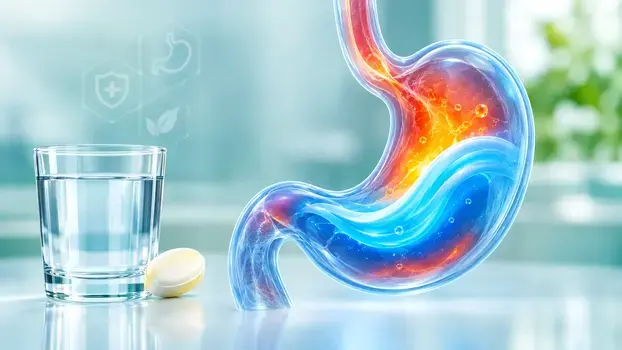
When you swallow a fraboc tablet, it travels to the parietal cells in your stomach wall. There, it shuts down the “proton pumps” that secrete hydrochloric acid into your digestive tract. This reduction in gastric acid gives your esophagus and stomach lining time to heal.
Most patients notice a significant drop in acid levels within two to three hours of their first dose. The effect lasts up to 24 hours, which is why doctors typically prescribe one daily tablet.
Common Conditions Fraboc Treats Effectively
Gastroesophageal reflux disease (GERD) tops the list of conditions doctors treat with fraboc. GERD occurs when stomach acid flows backward into the esophagus, causing persistent burning and tissue damage.
Other conditions include:
- Erosive esophagitis — inflammation and ulceration of the esophageal lining
- Duodenal ulcers — open sores in the upper small intestine
- Gastric ulcers — painful sores on the stomach lining
- Zollinger-Ellison syndrome — a rare condition causing extreme acid overproduction
- H. pylori eradication — used alongside antibiotics to eliminate this stomach bacterium
Your gastroenterologist will determine whether fraboc fits your specific diagnosis based on endoscopy results and symptom history.
Fraboc Dosage Guidelines for Adults and Children
Dosage depends entirely on the condition being treated. Always follow your prescribing doctor’s instructions rather than self-adjusting.
| Condition | Adult Dose | Duration | Notes |
|---|---|---|---|
| GERD (symptomatic) | 20 mg once daily | 4–8 weeks | Take before breakfast |
| Erosive esophagitis | 20 mg once daily | 4–8 weeks | May extend to 12 weeks |
| Duodenal ulcer | 20 mg once daily | 4 weeks | Take in the morning |
| Gastric ulcer | 20 mg once daily | 6 weeks | Avoid NSAIDs during treatment |
| H. pylori eradication | 20 mg twice daily | 7 days | Combine with two antibiotics |
| Zollinger-Ellison | 60 mg once daily | Ongoing | Doctor may increase to 100 mg |
Pediatric dosing for children aged 12 and older typically mirrors adult GERD guidelines at 20 mg daily. Doctors rarely prescribe fraboc to children under 12 without specialized oversight.
How to Take Fraboc for Maximum Relief
Timing matters more than most patients realize. Take your fraboc tablet 30 to 60 minutes before your first meal of the day. Food triggers acid production, so having the medication active in your system beforehand provides the strongest protection.
Swallow the tablet whole with a full glass of water. Do not crush, chew, or split it. The enteric coating protects the drug from breaking down in your stomach before it reaches the absorption site in your intestines.
If your doctor prescribes a twice-daily regimen, take the second dose 30 minutes before dinner. Consistency builds steady acid suppression over several days.
Fraboc Side Effects You Should Know About
Most people tolerate fraboc well during short-term use. Mild side effects typically fade within the first week as your body adjusts.
Common side effects include:
- Headache (reported in roughly 2–5% of patients)
- Nausea or mild stomach discomfort
- Diarrhea or constipation
- Flatulence and bloating
- Dizziness
Serious side effects requiring immediate medical attention:
- Severe abdominal pain with bloody stools
- Unexplained bone fractures (linked to long-term PPI use)
- Signs of kidney problems such as reduced urination
- Clostridium difficile infection symptoms including watery diarrhea and fever
- Low magnesium levels causing muscle spasms or irregular heartbeat
Report any unusual symptoms to your healthcare provider promptly. Never ignore persistent side effects hoping they will resolve on their own.
Drug Interactions with Fraboc to Avoid
Fraboc changes your stomach’s pH level, which affects how your body absorbs other medications. This interaction can make certain drugs less effective or dangerously potent.
Medications that interact with rabeprazole-based treatments:
- Methotrexate — PPIs slow its clearance, raising toxicity risk
- Warfarin — altered absorption may increase bleeding risk
- Ketoconazole and itraconazole — reduced absorption weakens antifungal action
- Digoxin — higher blood levels may cause cardiac complications
- Clopidogrel — some evidence suggests reduced antiplatelet effectiveness
- Atazanavir — significantly lowered antiviral absorption
Always provide your doctor and pharmacist with a complete medication list before starting fraboc. This includes over-the-counter supplements, herbal remedies, and vitamins.
Fraboc vs Other Proton Pump Inhibitors
Patients often wonder how fraboc compares to omeprazole, pantoprazole, or esomeprazole. All PPIs share the same mechanism, but subtle differences exist in speed, potency, and interaction profiles.
- Speed of onset: Rabeprazole (fraboc’s active ingredient) activates faster than omeprazole because it does not require as much acidic conversion in the parietal cells.
- Drug interactions: Fraboc has fewer CYP2C19 enzyme interactions compared to omeprazole, making it a safer choice for patients on multiple medications.
- Consistency across patients: Genetic variations in liver enzymes affect omeprazole more than rabeprazole, meaning fraboc delivers more predictable results across diverse populations.
- Acid suppression strength: At equivalent doses, all PPIs achieve similar 24-hour acid control after several days of use.
Your doctor selects the best PPI based on your medical history, current medications, and specific condition severity.
Who Should Not Take Fraboc?
Certain groups face higher risks and should avoid fraboc unless a specialist explicitly recommends it.
Contraindications include:
- Known hypersensitivity to rabeprazole or substituted benzimidazoles
- Patients currently taking rilpivirine-containing HIV medications
- Individuals with severe liver impairment (dose adjustment required at minimum)
Special caution applies to:
- Pregnant women — animal studies show potential risk; human data remains limited
- Breastfeeding mothers — rabeprazole passes into breast milk in small amounts
- Elderly patients over 65 — higher susceptibility to bone fractures and infections with prolonged use
- Patients with osteoporosis — long-term acid suppression reduces calcium absorption
Discuss your full medical history with your doctor before beginning any PPI therapy.
How Long Does Fraboc Take to Start Working?
Many patients expect instant relief and feel disappointed after the first dose. Fraboc works differently from fast-acting antacids like Tums or Gaviscon.
You may feel partial relief within the first 24 hours, but full acid suppression typically builds over three to five days of consistent use. Maximum healing of esophageal tissue takes four to eight weeks depending on damage severity.
For breakthrough heartburn during the initial days, your doctor may recommend a short-acting antacid alongside your fraboc prescription. This bridge strategy keeps you comfortable while the PPI reaches full effectiveness.
Fraboc and Long-Term Use: Is It Safe?
Short-term fraboc courses of four to eight weeks carry minimal risk for most healthy adults. Long-term use beyond one year, however, raises legitimate concerns that deserve honest discussion.
Documented risks of prolonged PPI therapy:
- Increased risk of hip, wrist, and spine fractures due to impaired calcium absorption
- Vitamin B12 deficiency from reduced intrinsic factor activity
- Chronic kidney disease progression in susceptible individuals
- Higher rates of pneumonia and gastrointestinal infections
- Rebound acid hypersecretion when stopping abruptly
If your condition requires ongoing acid suppression, your doctor should reassess your need for fraboc every six months. Many patients successfully step down to the lowest effective dose or switch to an H2 blocker like famotidine for maintenance.
Storing and Handling Fraboc Properly
Store your fraboc tablets at room temperature between 15°C and 30°C (59°F–86°F). Keep the bottle tightly closed and away from moisture, heat, and direct sunlight.
Do not store fraboc in bathroom medicine cabinets where humidity fluctuates daily. A kitchen cabinet away from the stove or a bedroom drawer works better.
Check the expiration date before each new prescription cycle. Expired PPIs lose potency and may not provide adequate acid control.
When to Call Your Doctor While Taking Fraboc
Contact your healthcare provider immediately if you experience any of the following:
- Heartburn that worsens after two weeks of consistent fraboc use
- Difficulty swallowing or pain when swallowing food
- Unexplained weight loss exceeding 5% of your body weight
- Black, tarry stools or vomit that resembles coffee grounds
- Chest pain radiating to your jaw, neck, or left arm (rule out cardiac causes first)
- Severe allergic reactions including facial swelling, hives, or breathing difficulty
These symptoms may signal complications that require diagnostic testing beyond standard PPI therapy. Early intervention prevents serious damage to your digestive tract.
Frequently Asked Questions About Fraboc
Can I take fraboc on an empty stomach?
Yes. Taking fraboc on an empty stomach 30 to 60 minutes before breakfast actually improves its absorption and effectiveness. Food does not block the drug, but pre-meal timing aligns peak drug activity with your stomach’s highest acid output.
Does fraboc cause weight gain?
Weight gain is not a recognized direct side effect of fraboc. However, some patients eat more comfortably once their acid reflux resolves, which can lead to gradual weight changes. Monitor your diet and activity level during treatment.
How quickly does fraboc relieve heartburn?
Partial relief often begins within the first day, but full symptom control typically takes three to five days of daily dosing. Complete healing of inflamed esophageal tissue requires four to eight weeks of uninterrupted therapy.
Can pregnant women take fraboc safely?
Current evidence is insufficient to confirm complete safety during pregnancy. The FDA classifies rabeprazole as a Category B drug, meaning animal studies show no harm but human trials remain limited. Always consult your obstetrician before use.
Is fraboc available over the counter?
Availability varies by country. In some regions, lower-dose rabeprazole products are sold without a prescription for short-term heartburn relief. Higher-dose fraboc formulations for GERD and ulcer treatment require a doctor’s prescription.
What happens if I miss a dose of fraboc?
Take the missed dose as soon as you remember, unless your next scheduled dose is within a few hours. In that case, skip the missed dose and resume your normal schedule. Never double up to compensate, as excessive acid suppression increases infection risk.
Take Control of Your Digestive Health Today
Living with chronic acid reflux does not have to be your normal. Fraboc provides reliable, clinically proven acid suppression that lets your digestive system heal and function properly. Talk to your gastroenterologist about whether this medication fits your treatment plan.
Start the conversation at your next appointment. Bring this guide, share your symptom timeline, and ask specific questions about dosage and duration. Your comfort and long-term health depend on making informed decisions with professional guidance.
External Sources:
- U.S. National Library of Medicine — Rabeprazole Monograph: https://medlineplus.gov/druginfo/meds/a699060.html
- American College of Gastroenterology — GERD Treatment Guidelines: https://gi.org/guideline/diagnosis-and-management-of-gastroesophageal-reflux-disease/
- U.S. Food and Drug Administration — Proton Pump Inhibitor Safety Communication: https://www.fda.gov/drugs/drug-safety-and-availability/fda-drug-safety-communication-possible-increased-risk-fractures-hip-wrist-and-spine-use-proton-pump
⚕️ Medical Disclaimer: This article is for informational and educational purposes only and does not constitute medical advice, diagnosis, or treatment. Always seek the guidance of a qualified healthcare professional before starting, stopping, or changing any medication, including fraboc. Individual results vary, and only your doctor can determine the safest treatment plan for your specific health condition. Never disregard professional medical advice or delay seeking it because of something you read on this website.
You Also Like To Read: Incfidelibus: The Complete Guide to Its Latin Meaning